
Flea and Tick Yard Management in New Jersey
Outdoor flea and tick management targets shaded edges, leaf litter, animal resting areas, and transition zones rather than treating every square foot identically.
Fast quote request
Your pest protection
- Choose your pest issue
- Add your contact information
- We confirm property details during follow-up
Host animals and shaded habitat keep outdoor pressure active
Fleas and ticks are not the same pest. Fleas develop through egg, larval, pupal, and adult stages and are strongly connected to host animals and resting areas. Ticks wait in vegetation or ground-level habitat for a host to pass. Property treatment works best when pets, wildlife pressure, vegetation, and indoor activity are considered together.
Flea development
Egg, larva, pupa, and adult
Tick pattern
Host-seeking along vegetation, leaf litter, and animal routes
High-risk zones
Shaded edges, pet areas, wildlife routes, mulch, and leaf litter
Control principle
Pet protection, habitat management, targeted treatment, and monitoring
How to identify it
- Adult fleas are small, dark, laterally flattened insects that jump and move quickly through hair or fabric.
- Flea dirt resembles dark specks and may turn reddish-brown when moistened because it contains digested blood.
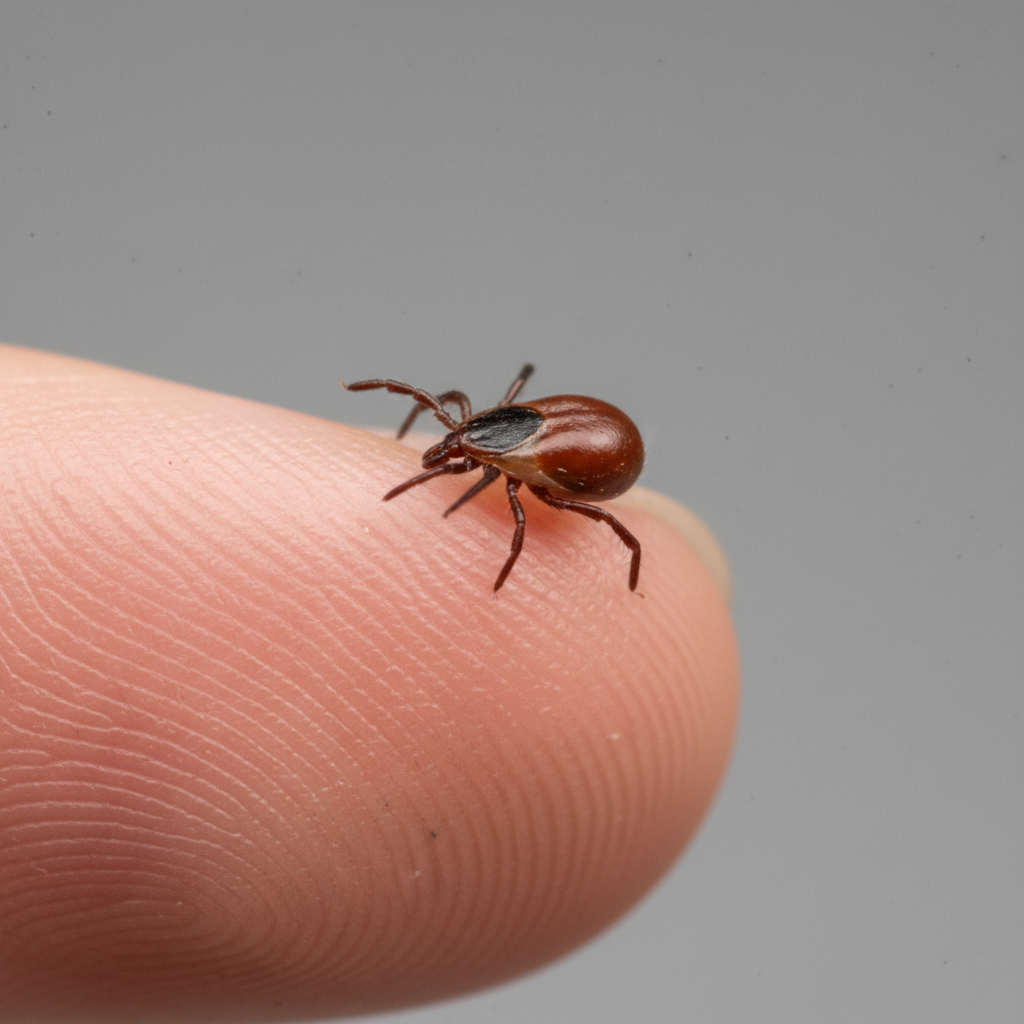
- Ticks are arachnids with eight legs as nymphs and adults and attach to people or animals for a blood meal.
- Small beetles, seeds, scabs, and debris are sometimes mistaken for ticks; a clear photo or specimen helps.
Behavior and life cycle
- Flea eggs fall from host animals into bedding, carpets, cracks, shaded soil, and resting areas.
- Flea pupae can remain protected until vibration, warmth, or carbon dioxide signals a nearby host.
- Ticks use vegetation, leaf litter, stone walls, wooded edges, and wildlife routes rather than open sunny lawn equally.
- Pets, deer, rodents, birds, raccoons, and other animals can repeatedly introduce new fleas or ticks.
Why it shows up
- Pets or wildlife use shaded resting areas, decks, crawl spaces, sheds, or yard edges.
- Leaf litter, mulch, dense ground cover, tall grass, and unmanaged wooded transitions hold humidity.
- Pet bedding, carpets, furniture, and cracks support indoor flea development.
- Neighboring habitat and animal movement continue introducing ticks even after treatment.
Common mistakes
- Treating the yard while leaving pets unprotected or indoor flea stages unaddressed.
- Treating every square foot equally instead of focusing on habitat and host routes.
- Expecting immediate relief from flea pupae that are protected from many treatments.
- Allowing leaf litter, brush, wildlife feeding, or pet bedding conditions to remain unchanged.
When to call a professional
- Fleas continue after veterinary pet treatment and thorough cleaning.
- Ticks are repeatedly found on people or pets in frequently used yard areas.
- The property borders woods, has heavy wildlife traffic, or includes dense shaded vegetation.
- Indoor and outdoor activity need a coordinated plan.
What Fantwin inspects and services
Pests and problems covered
- Ticks
- Outdoor flea populations
- Related yard harborage within scope
Property types
- Residential yards
- Pet-use areas
- Wooded-edge properties
- Small commercial grounds
Areas we inspect
- Wooded edges and stone walls
- Leaf litter, mulch, and shaded vegetation
- Pet resting and travel areas
- Fence lines, sheds, decks, and wildlife routes
What the service may include
- Yard and perimeter habitat inspection
- Treatment-area measurement
- Targeted application to appropriate habitat
- Pet and occupant precaution instructions
- Landscape and wildlife-pressure recommendations
Methods considered after inspection
- Targeted yard application
- Perimeter treatment
- Habitat modification
- Leaf-litter and vegetation recommendations
- Seasonal recurring service
- Monitoring of high-risk areas
Methods are selected from inspection findings, the contracted scope, treatment site, active license category, customer authorization, and product-label directions. Not every listed method is used on every job.
Health, property, and operational concerns
- Tick-borne disease exposure
- Flea bites and pet discomfort
- Reintroduction by wildlife or untreated pets
- Persistent habitat in dense vegetation and leaf litter
Signs to document before the visit
- Ticks found on people or pets
- Flea dirt or jumping fleas
- High wildlife traffic
- Dense shaded ground cover and leaf litter near use areas
Why this problem develops locally
Wooded neighborhoods, deer and small-mammal movement, humid summers, leaf litter, and long shoulder seasons create sustained tick and flea habitat in New Jersey.
Timing and follow-up
Treatment depends on seasonal activity, weather, vegetation, and yard access. Drying or re-entry instructions are provided for the selected product and site.
Recurring seasonal visits may be recommended because ticks and fleas can be reintroduced by pets, wildlife, neighboring properties, and changing vegetation.
Our service process
Identify use areas, habitat, and sensitive zones
Measure the treatment area
Select target zones and product according to the label
Apply treatment and document the work
Review pet, wildlife, vegetation, and follow-up actions
Before the appointment
- Tell us about occupants, pets, sensitivities, access limits, and any recent pesticide use.
- Keep the treatment area reasonably accessible so the technician can inspect before recommending service.
- Follow only the preparation instructions provided for your confirmed service; requirements vary by pest and treatment method.
After the appointment
- Review the digital service report, including products used, treated areas, and technician recommendations.
- Follow any product-specific precaution, ventilation, drying, or re-entry instructions provided after service.
- Complete sanitation, moisture, exclusion, or monitoring actions noted in the report because treatment alone may not correct the source.
Normally included when listed in the quote
- Inspection of accessible contracted yard areas
- Targeted treatment
- Treatment record
- Habitat recommendations
May require a separate quote or specialist
- Veterinary pet treatment
- Leaf removal or landscaping labor
- Wildlife trapping or removal — referred out, we do not hold a wildlife control permit
- Treatment outside the property
- Indoor flea treatment unless quoted
Important service expectations
Results depend on pest species, infestation level, access, sanitation, moisture, structural conditions, customer preparation, and completion of recommended follow-up.
No treatment can prevent every future pest from entering an open or conducive property.
Pesticides, when used, are selected for the inspected site and applied according to the product label.
Prevention and preparation tips
Use veterinarian-recommended pet protection
Remove leaf litter from activity zones
Keep grass and brush managed
Create a maintained transition at wooded edges
Perform tick checks after outdoor activity