
Seasonal Mosquito Management in New Jersey
Mosquito service combines property inspection, standing-water reduction, larval management where appropriate, and targeted treatment of resting areas according to site conditions and product labels.
Fast quote request
Your pest protection
- Choose your pest issue
- Add your contact information
- We confirm property details during follow-up
Mosquito pressure begins with water, habitat, and repeated introductions
Mosquitoes develop through egg, larval, pupal, and adult stages. The immature stages require water, but the amount may be surprisingly small. Adult mosquitoes rest in shaded, humid vegetation and can also fly in from neighboring properties, wetlands, drainage areas, and stormwater systems.
Life cycle
Egg, larva, pupa, and adult
Breeding requirement
Standing or slow-moving water appropriate to the species
Adult resting areas
Shaded vegetation, under decks, fence lines, and protected edges
Management principle
Source reduction, larval management, and targeted adult control
How to identify it
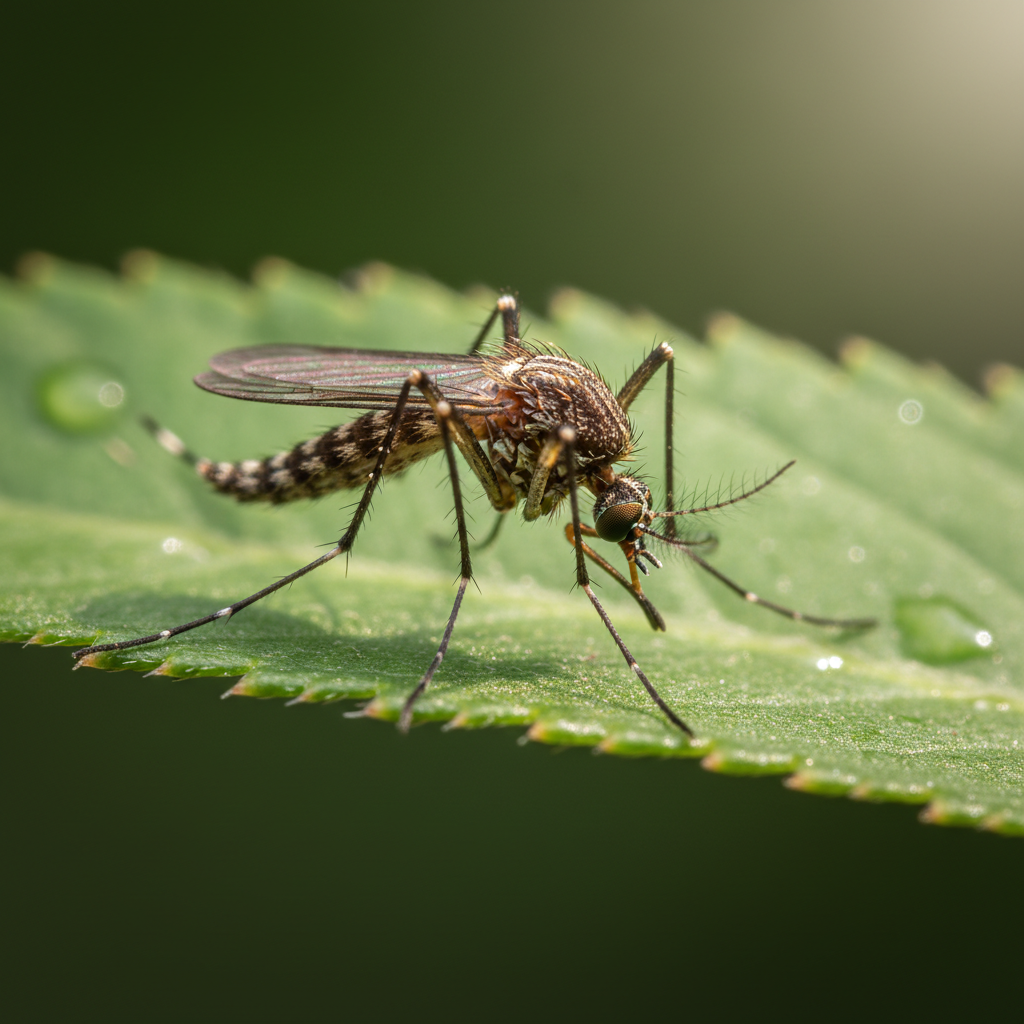
- Adult mosquitoes are slender flies with long legs and a projecting mouthpart.
- Larvae are often seen wriggling near the surface of stagnant water, while pupae are more comma-shaped and mobile.
- Small non-biting midges may resemble mosquitoes but do not have the same biting behavior.
- Repeated biting in one area does not prove the breeding source is located on that same property.
Behavior and life cycle
- Different species prefer different water sources, feeding times, hosts, and travel distances.
- Containers, clogged gutters, toys, tarps, plant saucers, drains, and low spots can produce mosquitoes.
- Adults commonly rest in shaded, humid vegetation during hot parts of the day.
- Rain, irrigation, temperature, wind, and neighboring habitat can quickly change activity levels.
Why it shows up
- Water remains in containers, gutters, drains, tarps, tires, birdbaths, or low areas.
- Dense shrubs, ivy, tall weeds, and shaded fence lines provide protected resting habitat.
- Nearby wetlands, storm drains, wooded areas, neglected pools, or neighboring containers contribute pressure.
- Warm humid weather shortens development time and increases outdoor activity.
Common mistakes
- Treating vegetation while leaving removable standing water unchanged.
- Assuming one application will stop mosquitoes for the entire season.
- Ignoring gutters, small containers, toys, tarps, drains, and water held beneath decks.
- Applying products during unsuitable weather or without identifying sensitive areas and label restrictions.
When to call a professional
- Outdoor areas remain difficult to use despite weekly source reduction.
- Water sources cannot be emptied or require a label-approved larval strategy.
- The property includes dense vegetation, event space, commercial grounds, or high occupant exposure.
- A recurring seasonal program and documented treatment-area plan are needed.
What Fantwin inspects and services
Pests and problems covered
- Adult mosquitoes
- Mosquito larvae in treatable water sources
Property types
- Residential yards
- Patios and outdoor living areas
- Small commercial properties
- Seasonal event areas
Areas we inspect
- Gutters, containers, drains, tarps, and low spots
- Dense shrubs, fence lines, decks, and shaded vegetation
- Patios, play areas, pet areas, and neighboring pressure points
- Water features and locations that cannot simply be emptied
What the service may include
- Inspection for standing water and shaded resting habitat
- Property-size and treatment-area confirmation
- Source-reduction recommendations
- Larvicide or adulticide application when justified and authorized
- Weather, access, and re-entry instructions
Methods considered after inspection
- Standing-water source reduction
- Label-compliant larvicide
- Targeted vegetation treatment
- Barrier treatment
- Seasonal monitoring
- Customer maintenance checklist
Methods are selected from inspection findings, the contracted scope, treatment site, active license category, customer authorization, and product-label directions. Not every listed method is used on every job.
Health, property, and operational concerns
- Bites and allergic reactions
- Potential mosquito-borne disease exposure
- Reduced use of outdoor areas
- Rapid breeding in small water sources
Signs to document before the visit
- Frequent biting near shaded areas
- Standing water lasting several days
- Wriggling larvae in stagnant water
- Higher activity near vegetation at dawn or dusk
Why this problem develops locally
Warm, humid weather, rainfall, dense vegetation, containers, stormwater systems, and proximity to wetlands create sustained seasonal mosquito pressure in New Jersey.
Timing and follow-up
Service timing depends on weather, wind, rain, site access, and mosquito season. Some applications must be delayed when conditions do not support safe and effective treatment.
Seasonal programs usually involve recurring visits because mosquitoes reproduce quickly and can fly in from neighboring properties. Frequency is based on the selected plan and site conditions.
Our service process
Confirm property boundaries and sensitive areas
Inspect breeding sources and resting habitat
Calculate the actual treatment area
Apply only the selected label-compliant methods
Document conditions and provide source-reduction actions before the next visit
Before the appointment
- Tell us about occupants, pets, sensitivities, access limits, and any recent pesticide use.
- Keep the treatment area reasonably accessible so the technician can inspect before recommending service.
- Follow only the preparation instructions provided for your confirmed service; requirements vary by pest and treatment method.
After the appointment
- Review the digital service report, including products used, treated areas, and technician recommendations.
- Follow any product-specific precaution, ventilation, drying, or re-entry instructions provided after service.
- Complete sanitation, moisture, exclusion, or monitoring actions noted in the report because treatment alone may not correct the source.
Normally included when listed in the quote
- Accessible property survey
- Treatment of agreed areas
- Standing-water recommendations
- Service and product documentation
May require a separate quote or specialist
- Drainage construction
- Gutter cleaning
- Wetland treatment outside the contracted property
- Public mosquito-control work
- Event service not listed in the plan
Important service expectations
Results depend on pest species, infestation level, access, sanitation, moisture, structural conditions, customer preparation, and completion of recommended follow-up.
No treatment can prevent every future pest from entering an open or conducive property.
Pesticides, when used, are selected for the inspected site and applied according to the product label.
Prevention and preparation tips
Empty removable standing water weekly
Keep gutters and drains moving
Maintain pools and water features
Use screens and outdoor fans
Tell the technician about ponds, pollinator areas, pets, and play equipment