
Rodent Inspection, Trapping, and Exclusion in New Jersey
Rodent service separates immediate population control from the building repairs and sanitation changes needed to reduce future entry.
Fast quote request
Your pest protection
- Choose your pest issue
- Add your contact information
- We confirm property details during follow-up
Evidence tells us which rodent is active and how it is moving
Mice and rats differ in size, travel behavior, food needs, and response to new objects. A successful program identifies the animal, maps its routes, reduces competing food, uses the right devices, and corrects entry openings after the active population is addressed.
Mouse pattern
Small gaps, edge travel, frequent exploration
Rat pattern
Larger routes, burrows, cautious behavior around new objects
Useful evidence
Droppings, gnawing, rub marks, tracks, burrows, and captures
Lasting control
Population reduction plus exclusion and sanitation
How to identify it
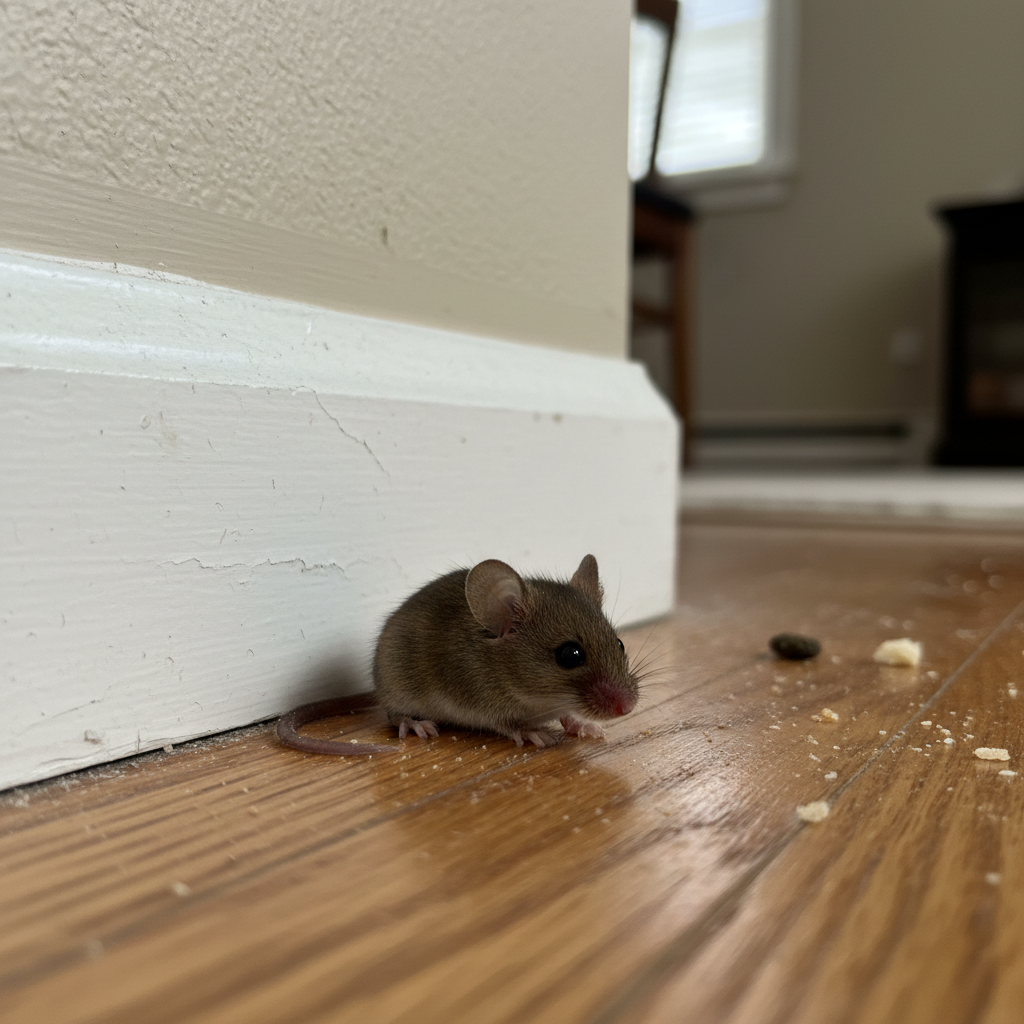
- House-mouse droppings are small and pointed; mice commonly nest close to food and travel along edges.
- Norway rats are larger, heavy-bodied rodents that frequently burrow and use lower levels, sewers, trash areas, and foundations.
- Roof rats are agile climbers and may use trees, vines, rooflines, attics, and elevated utility routes where present.
- White-footed or deer mice have contrasting light undersides and feet and may enter buildings near wooded habitat.
Behavior and life cycle
- Rodents often follow walls, pipes, shelves, and concealed edges rather than crossing open space.
- Mice explore frequently; rats may be more hesitant around unfamiliar traps, stations, or changed environments.
- Food, water, nesting material, warmth, and protected voids can support activity throughout the year.
- Removing rodents without sealing entry points allows new animals to replace them.
Why it shows up
- Garage-door gaps, foundation openings, damaged vents, utility penetrations, and roofline defects.
- Open food, pet food, bird seed, trash, grease, feed, or accessible commercial inventory.
- Cluttered storage, insulation, wall voids, drop ceilings, sheds, decks, and dense exterior vegetation.
- Cold weather, nearby construction, neighboring infestations, sewers, alleys, and unmanaged waste.
Common mistakes
- Placing only one or two traps without mapping routes or using enough devices for the space.
- Using unsecured bait where children, pets, wildlife, or non-target animals could reach it.
- Sealing every opening before confirming that animals are not trapped inside.
- Sweeping or vacuuming dry droppings without following appropriate contamination precautions.
When to call a professional
- Droppings appear in kitchens, bedrooms, childcare areas, food facilities, or medical settings.
- Activity is heard in walls, ceilings, attics, or inaccessible voids.
- Rats, burrows, damaged wiring, or strong odor are present.
- Traps are ignored, activity continues, or entry points are difficult to locate.
What Fantwin inspects and services
Pests and problems covered
- House mice
- Norway rats
- Roof rats where present
- Exterior rodent activity
Property types
- Homes
- Apartments
- Restaurants
- Warehouses
- Retail and offices
Areas we inspect
- Garage doors and foundations
- Utility, HVAC, plumbing, and dryer penetrations
- Basements, crawl spaces, attics, kitchens, and storage rooms
- Exterior vegetation, trash, loading areas, sheds, and decks
What the service may include
- Inspection for droppings, rub marks, gnawing, tracks, and entry gaps
- Species and activity assessment
- Placement of approved traps, monitors, or secured stations
- Entry-point documentation and exclusion recommendations
- Follow-up device checks and activity reporting when included
Methods considered after inspection
- Snap traps
- Multi-catch traps
- Monitoring devices
- Tamper-resistant stations where appropriate
- Small-gap sealing
- Larger exclusion proposal and sanitation recommendations
Methods are selected from inspection findings, the contracted scope, treatment site, active license category, customer authorization, and product-label directions. Not every listed method is used on every job.
Health, property, and operational concerns
- Food contamination
- Damage to wiring, insulation, and stored goods
- Odor or sanitation issues
- Repeat entry through uncorrected gaps
Signs to document before the visit
- Droppings along edges or near food
- Gnaw marks and shredded nesting material
- Sounds in walls, ceilings, or cabinets
- Greasy rub marks, tracks, or burrows
Why this problem develops locally
Cold weather, older foundations, attached garages, dense neighborhoods, food waste, and utility penetrations provide common entry and harborage conditions throughout New Jersey. In Camden County the pressure concentrates in the older borough housing around Clementon, Lindenwold, Pine Hill, Stratford and Somerdale — twins and row homes where a single unsealed gap serves both sides of a shared wall — and along the White Horse Pike corridor, where ground-level rat harborage sits behind sheds, stoops, and rear service areas. Fantwin is based in Clementon, so South Jersey is the home route rather than a statewide average.
Timing and follow-up
The initial appointment focuses on inspection, device placement, and prioritizing entry points. Resolution time depends on population size, access, food competition, neighboring pressure, and whether exclusion work is completed.
Active trapping and monitoring generally require return visits. Device count and visit frequency are set from the inspection rather than a fixed number for every property.
Our service process
Inspect evidence and distinguish mouse from rat activity
Map travel routes, food sources, and likely entry points
Place suitable traps, monitors, or stations
Prioritize immediate and permanent exclusion work
Recheck devices, document activity, and adjust until the service objective is met
Before the appointment
- Tell us about occupants, pets, sensitivities, access limits, and any recent pesticide use.
- Keep the treatment area reasonably accessible so the technician can inspect before recommending service.
- Follow only the preparation instructions provided for your confirmed service; requirements vary by pest and treatment method.
After the appointment
- Review the digital service report, including products used, treated areas, and technician recommendations.
- Follow any product-specific precaution, ventilation, drying, or re-entry instructions provided after service.
- Complete sanitation, moisture, exclusion, or monitoring actions noted in the report because treatment alone may not correct the source.
Normally included when listed in the quote
- Activity and entry inspection
- Authorized device placement
- Device map or documentation
- Basic exclusion recommendations
May require a separate quote or specialist
- Large construction repairs
- Insulation removal
- Dropping remediation
- Dead-animal retrieval from inaccessible voids
- Wildlife trapping or removal — referred out, we do not hold a wildlife control permit
Important service expectations
Results depend on pest species, infestation level, access, sanitation, moisture, structural conditions, customer preparation, and completion of recommended follow-up.
No treatment can prevent every future pest from entering an open or conducive property.
Pesticides, when used, are selected for the inspected site and applied according to the product label.
Prevention and preparation tips
Store food and pet food in sealed containers
Repair garage-door gaps and damaged sweeps
Keep exterior trash closed
Remove clutter along walls
Do not move or disturb numbered devices
Frequently asked questions
Rodent control across South Jersey
Rodent pressure is a local problem, not a statewide one. These pages cover what we actually find in each town — the housing stock, the entry points, and the schedule the route runs on.
Rodent guides from our own routes
Written from what we actually find on South Jersey properties — not general advice with a town name dropped in.