Open 24 hours · 7 days a week • Licensed NJ pest control

Call
Westfield · Union County

Pest Control in Westfield, New Jersey

Inspection-led pest management for Westfield homes and businesses, with seasonal guidance and stronger long-term solutions based on the property—not a generic spray-only visit.

NJ-licensed service-area business · License #65189B

Request Your Free Quote

Select the pest and add your contact details. We will confirm the property details when we follow up.

Optional text updates

Consent is not required to request service

Local Pest Control for Westfield Properties

Westfield is served as a mobile service area in Union County. Properties around Downtown Westfield, the North Side, neighborhoods near Tamaques Park include established homes, mature landscaping, schools, restaurants, offices, parks, and local retail. These differences affect where pests enter, feed, breed, and hide.

The guidance below describes likely seasonal patterns—not a claim that every Westfield property has the same pest problem. Fantwin confirms the pest and site conditions before recommending treatment under NJ Business License #65189B.

NJ Business License #65189BUnion CountyContent reviewed July 2026

Properties We Can Evaluate in Westfield

  • Single-family homes with basements, garages, decks, sheds, and mature landscaping
  • Townhomes, condos, apartments, and rental properties
  • Schools, offices, restaurants, retail, medical, and professional buildings
  • Yards with mulch beds, trees, drainage areas, patios, and outdoor gathering spaces

Local Conditions That Affect Results

Garage doors, siding transitions, roof returns, utility penetrations, and foundation gaps are common rodent entry points.

Mulch, vegetation touching the structure, exterior lighting, and moisture can support ants, spiders, and wasps.

Leaf litter, brush, wildlife traffic, irrigation, and low spots influence mosquito and tick pressure outdoors.

Fall entry-pressure watch

Seasonal Pest Watch for Westfield

These are common New Jersey seasonal patterns selected for Westfield's property profile. They are useful preparation guidance, not a claim that every neighborhood currently has an outbreak. A property inspection confirms what is actually present.

What to watch for

Ants

Trails along foundations, kitchens, patios, mulch beds, window frames, or damp wood.

Helpful first steps

Wipe trails, store food tightly, trim vegetation away from siding, and correct moisture instead of repeatedly spraying the visible ants.

Our stronger, longer-term approach

We identify the ant type and nesting pattern, treat active routes and likely harborages, correct conducive conditions, and build an exterior defense with follow-up when needed.

View ants service details

What to watch for

Mice & Rats

Droppings, gnawing, scratching sounds, grease marks, disturbed insulation, or food-package damage.

Helpful first steps

Store food and pet feed in sealed containers, remove clutter, inspect garage-door edges, and do not seal an opening until active rodents are accounted for.

Our stronger, longer-term approach

Our stronger solution combines inspection, trapping or monitoring, sanitation guidance, and practical exclusion of accessible entry points rather than relying on bait alone.

View mice & rats service details

What to watch for

Ticks & Fleas

Ticks on people or pets, wildlife traffic, brushy edges, leaf litter, tall grass, or shaded transition zones.

Helpful first steps

Keep grass maintained, move play areas away from brush, reduce leaf litter at yard edges, use veterinarian-approved pet protection, and perform tick checks.

Our stronger, longer-term approach

We focus treatment on high-risk yard edges and harborages, combine it with landscape changes, and time repeat service to the season and property conditions.

View ticks & fleas service details

What to watch for

Wasps, Hornets & Yellowjackets

Repeated flight to an eave, wall gap, ground opening, shed, deck, shrub, or outdoor dining area.

Helpful first steps

Keep distance from active nests, cover food and drinks outdoors, secure trash, and do not plug an active wall opening before the colony is treated.

Our stronger, longer-term approach

We identify the insect and nest location, use a treatment appropriate to the site, remove accessible nest material when practical, and recommend sealing after activity has stopped.

View wasps, hornets & yellowjackets service details

What to watch for

Spiders

Webbing around lights, eaves, garages, basements, crawlspaces, sheds, windows, or stored items.

Helpful first steps

Reduce insects attracted to exterior lights, remove webs, organize storage, dehumidify damp areas, and seal gaps around doors and windows.

Our stronger, longer-term approach

Because spiders follow prey, we address web sites, entry points, moisture, lighting, and the insects supporting them—not only the spider that is visible today.

View spiders service details

What to watch for

Mosquitoes

Biting activity in shaded yards, patios, decks, vegetation, or areas holding water after rain.

Helpful first steps

Empty containers weekly, clear gutters, refresh birdbaths, correct low spots where possible, and keep screens in good repair.

Our stronger, longer-term approach

We inspect breeding and resting conditions, recommend source reduction, and apply targeted private-property treatments on an appropriate seasonal schedule instead of treating the air alone.

View mosquitoes service details

Pest-Pressure Patterns Around Westfield

Ants around Downtown Westfield properties

Trails along foundations, kitchens, patios, mulch beds, window frames, or damp wood. In Westfield, the mix of established homes, mature landscaping, schools, restaurants, offices, parks, and local retail makes inspection important. We identify the ant type and nesting pattern, treat active routes and likely harborages, correct conducive conditions, and build an exterior defense with follow-up when needed.

View related service

Mice & Rats around Downtown Westfield properties

Droppings, gnawing, scratching sounds, grease marks, disturbed insulation, or food-package damage. In Westfield, the mix of established homes, mature landscaping, schools, restaurants, offices, parks, and local retail makes inspection important. Our stronger solution combines inspection, trapping or monitoring, sanitation guidance, and practical exclusion of accessible entry points rather than relying on bait alone.

View related service

Ticks & Fleas around Downtown Westfield properties

Ticks on people or pets, wildlife traffic, brushy edges, leaf litter, tall grass, or shaded transition zones. In Westfield, the mix of established homes, mature landscaping, schools, restaurants, offices, parks, and local retail makes inspection important. We focus treatment on high-risk yard edges and harborages, combine it with landscape changes, and time repeat service to the season and property conditions.

View related service

Wasps, Hornets & Yellowjackets around Downtown Westfield properties

Repeated flight to an eave, wall gap, ground opening, shed, deck, shrub, or outdoor dining area. In Westfield, the mix of established homes, mature landscaping, schools, restaurants, offices, parks, and local retail makes inspection important. We identify the insect and nest location, use a treatment appropriate to the site, remove accessible nest material when practical, and recommend sealing after activity has stopped.

View related service

Spiders around Downtown Westfield properties

Webbing around lights, eaves, garages, basements, crawlspaces, sheds, windows, or stored items. In Westfield, the mix of established homes, mature landscaping, schools, restaurants, offices, parks, and local retail makes inspection important. Because spiders follow prey, we address web sites, entry points, moisture, lighting, and the insects supporting them—not only the spider that is visible today.

View related service

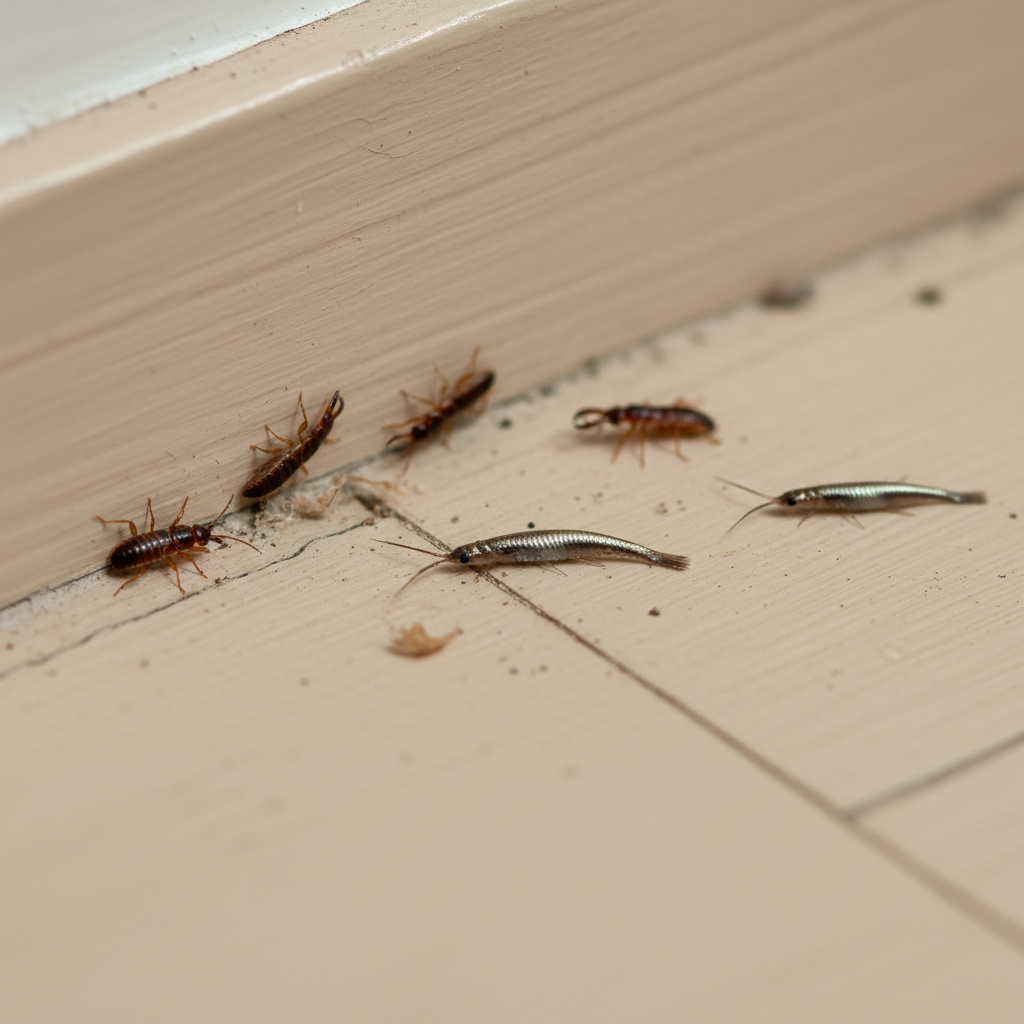
Integrated pest management

Why a Longer-Term Solution Is Stronger Than Repeated Quick Sprays

Visible pests are often only the symptom. Durable control comes from changing the conditions that support the pest and verifying that the population is declining.

1

Inspect and identify

The pest, source, travel route, moisture, food, shelter, and structural conditions determine the plan. Treating the wrong pest wastes time and product.

2

Reduce the source

Standing water, food residue, leaks, clutter, leaf litter, dense vegetation, waste handling, and untreated neighboring harborages can keep activity returning.

3

Exclude and repair

Where practical, we recommend or perform accessible sealing, screening, door-gap correction, and other physical changes that reduce re-entry.

4

Use targeted treatment

Applications are selected for the identified pest and location and used according to the label—not as a substitute for inspection or sanitation.

5

Monitor and follow up

Traps, monitors, service records, photos, and follow-up visits show whether pressure is declining and where the plan needs adjustment.

Recurring Pest-Prevention Options

Longer-term protection in Westfield may combine scheduled monitoring, source reduction, exclusion, targeted applications, and follow-up. Visit frequency is based on the confirmed pest, property conditions, and season rather than a one-size-fits-all spray schedule.

Westfield and Nearby Service Areas

Verified New Jersey Pest Resources

Official sources for county mosquito contacts, invasive-pest guidance, and long-term IPM principles.

Fantwin does not publish unverified claims that a pest is currently surging in a specific neighborhood. County or state alerts are linked above; conditions at a private home or business are confirmed during inspection.

Serving Westfield & Surrounding Areas

Westfield Pest Control FAQ

Request Pest Control in Westfield

Tell us what you are seeing, where the activity occurs, and the property type. We will review the request and recommend the next inspection or service step.