For New Jersey food service businesses, pest control isn't just about comfort — it's a legal requirement. Health inspectors can issue violations, levy fines, or even close your business if pest problems are found during an inspection. This guide covers what NJ restaurants, schools, and food service businesses need to know about maintaining pest-free environments that pass health inspections every time.
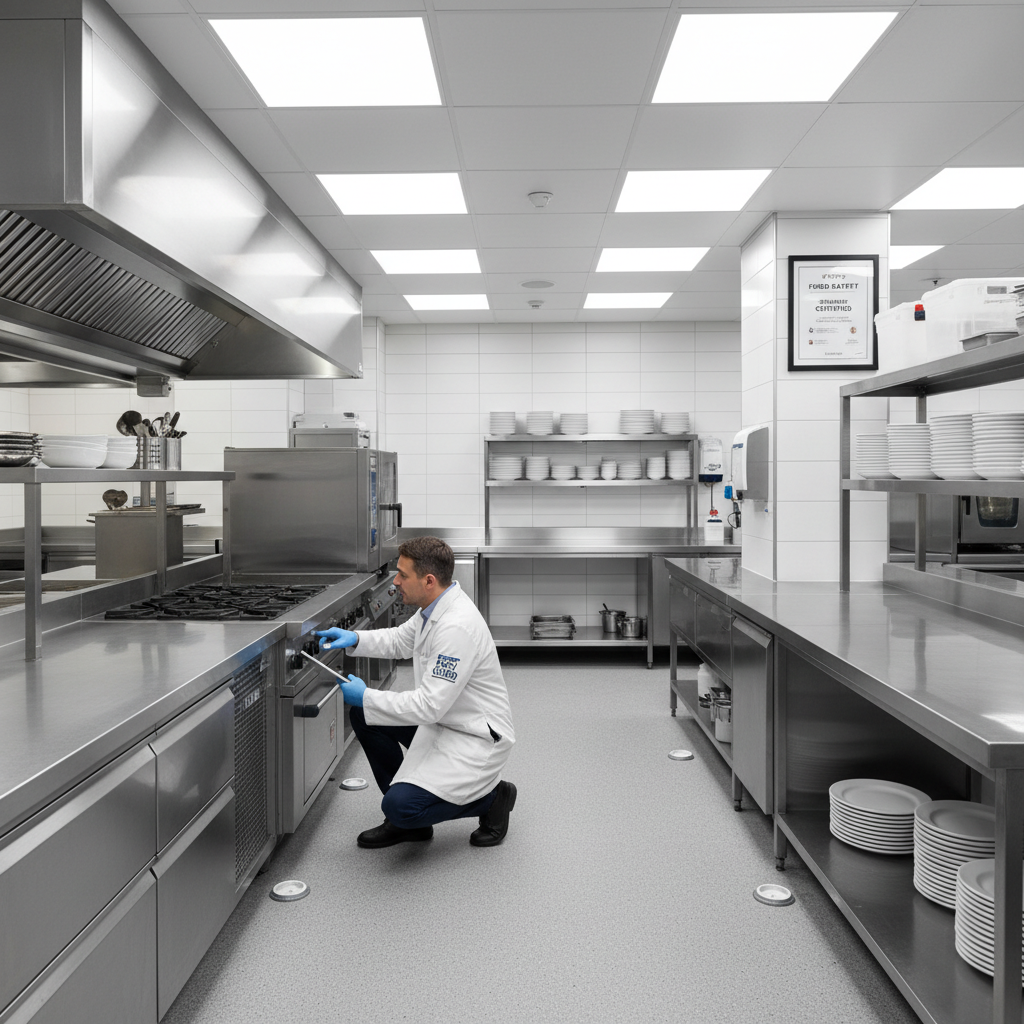
What Health Inspectors Look For
NJ health inspectors are trained to spot the signs of pest activity. During an inspection, they'll check for:
- Droppings or urine stains from rodents in storage, prep, and service areas
- Gnaw marks on food packaging, wood, or structural materials
- Cockroach sightings, droppings, or egg casings in kitchens and bathrooms
- Fly activity in food preparation and storage areas
- Pest entry points — gaps under doors, holes in walls, unsealed pipe penetrations
- Evidence of pest control documentation and service records
The Documentation Requirement
One of the most important — and often overlooked — aspects of health code compliance is documentation. Inspectors don't just want to see that your facility is pest-free; they want proof that you have a professional pest management program in place. This means having:
- Service reports from a licensed pest control company showing regular visits
- Treatment logs documenting what was applied, where, and when
- Monitoring device logs (insect light traps, rodent stations) showing activity trends
- Corrective action reports for any pest issues identified
- Current license and certification documentation for your pest control provider
At Fantwin Eco Pest Control, we provide detailed digital documentation for every visit, treatment, and inspection. Our reports are designed for easy inspector review and meet NJ health department requirements.
Integrated Pest Management For Food Service
The most effective approach to commercial pest control is Integrated Pest Management (IPM). IPM goes beyond spraying chemicals — it addresses the root causes of pest problems through a combination of sanitation, structural exclusion, monitoring, and targeted treatments. For food service businesses, IPM includes:
- Regular sanitation audits to identify food and water sources that attract pests
- Structural exclusion — sealing gaps, installing door sweeps, and screening vents
- Exterior rodent stations around the building perimeter
- Interior monitoring devices — insect light traps and glue boards in key areas
- Targeted treatments only when and where pest activity is confirmed
- Staff training on pest identification and reporting procedures
Common Compliance Failures
The most common reasons NJ food service businesses fail health inspections for pest-related issues include:
- Gaps under exterior doors — install door sweeps with less than 1/4 inch clearance
- Unsealed pipe and conduit penetrations through walls — seal with appropriate materials
- Dumpster areas with overflowing trash or unsealed lids — maintain regular pickup
- Cluttered storage areas that provide harborage for pests — organize and elevate storage
- Missing or outdated pest control documentation — maintain current service records
- DIY pest control without professional oversight — always use a licensed provider
Building A Culture Of Pest Prevention
The most successful food service businesses build pest prevention into their daily operations. This means training staff to identify and report pest sightings, maintaining rigorous cleaning schedules, and working with a professional pest control partner who understands health code requirements. Every employee should know what to look for and who to notify when they see something.
Choosing The Right Pest Control Partner
Not all pest control companies understand commercial compliance. When choosing a partner for your food service business, look for:
- A NJ Commercial Certified Pesticide Applicator Business License
- Experience with food service and health code compliance
- Digital documentation and reporting capabilities
- Flexible scheduling including after-hours and overnight service
- Emergency response capability for critical situations
- Knowledge of IPM principles and non-chemical approaches
At Fantwin Eco Pest Control, we specialize in commercial pest management for NJ restaurants, schools, offices, and food service businesses. Our IPM programs, digital compliance documentation, and 24/7 emergency response keep your business protected and inspection-ready. Call 908-844-8650 for a commercial property assessment and compliance consultation.