Open 24 hours · 7 days a week • Licensed NJ pest control

Call
Pest education

Learn what you are seeing before choosing a service.

Search by pest name, symptom, hiding area, or property condition. Each guide explains identification clues, behavior, common causes, mistakes to avoid, and when professional help may be appropriate.

Educational guides

12 guides

The library supports identification and preparation. A field inspection is still needed when the pest is uncertain, activity is extensive, or treatment depends on site conditions.

Ant Control identification guide

Category 7A

Ant Control

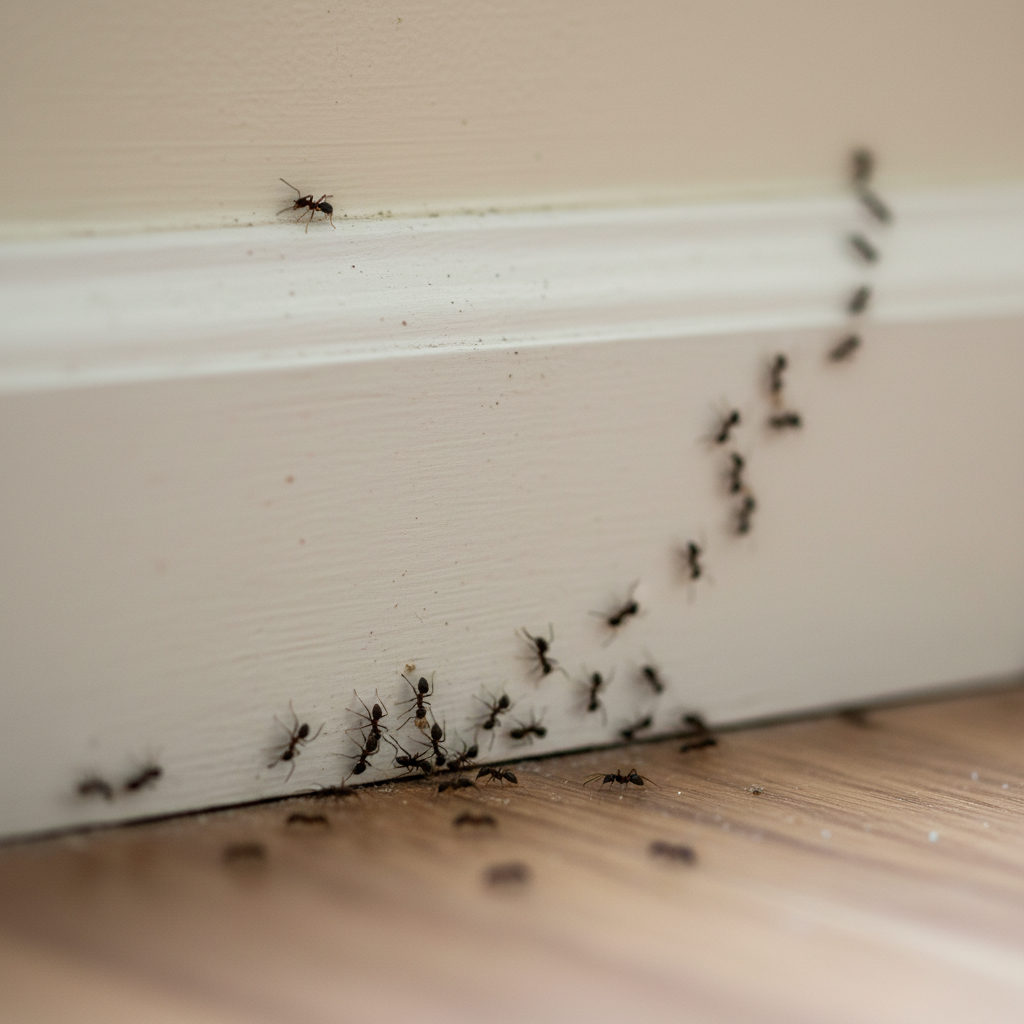
Ants live in organized colonies with workers, queens, and developing brood. The ants visible on a counter may represent only a small part of the colony. Species identification matters because nest location, food preference, moisture needs, and response to bait or liquid treatment differ.

Body clues
Elbowed antennae and a narrow waist
Indoor attractants
Food residue, moisture, warmth, and shelter
Possible nest sites
Soil, pavement, wall voids, wet wood, trees, or insulation
Control principle
Trace the trail and target the colony, not only visible workers

Common identification clues

  • Pavement ants are small brown-to-black ants commonly associated with slabs, foundations, sidewalks, and masonry cracks.
  • Odorous house ants are small and may produce a noticeable odor when crushed; colonies may occupy multiple sites.
Open the full guide
Bed Bug Service identification guide

Category 7A

Bed Bug Service

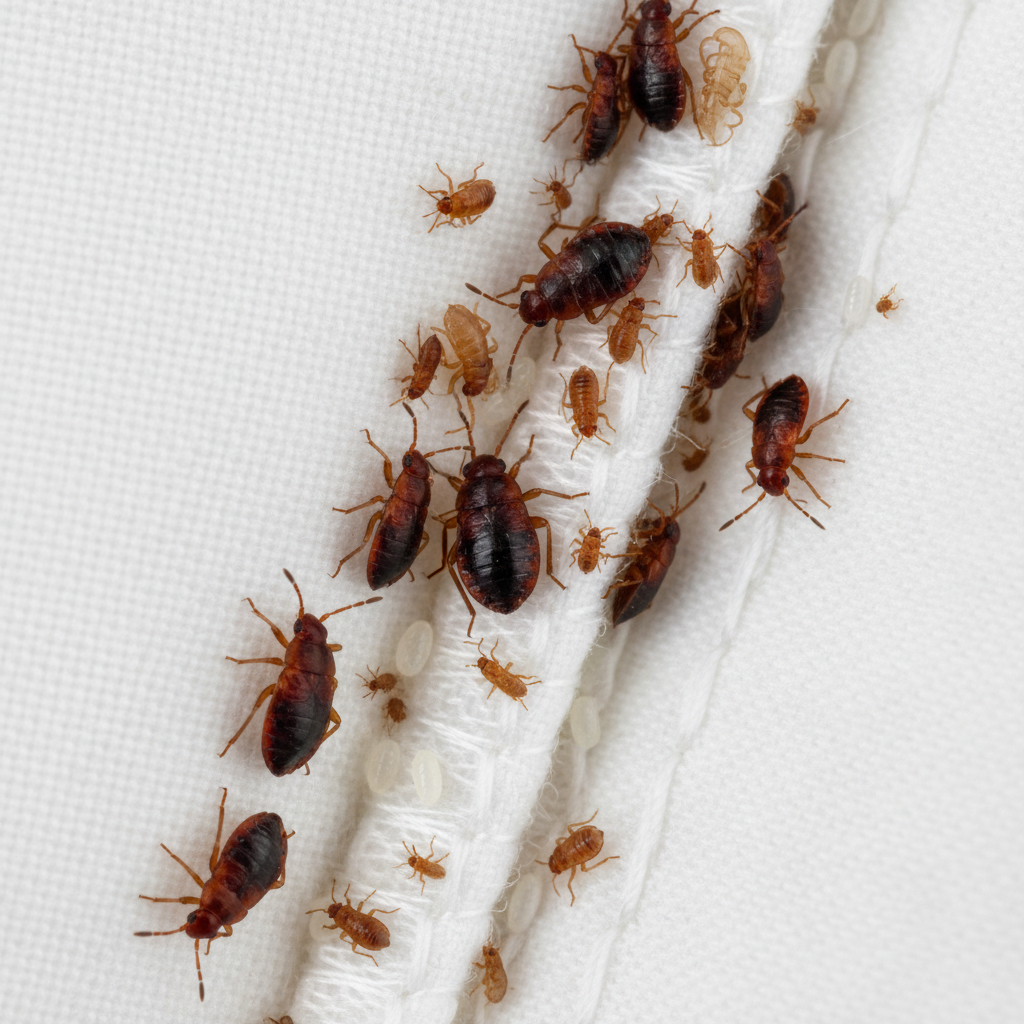
Bed bugs are flat, wingless insects that feed on blood and hide close to resting people. Skin reactions vary widely and cannot confirm an infestation by themselves. Reliable identification uses live insects, eggs, cast skins, dark spotting, and the pattern of harborages around beds, upholstered furniture, and nearby cracks.

Typical hiding distance
Close to beds, furniture, and regular resting areas
Useful evidence
Live bugs, eggs, cast skins, spotting, and monitor captures
Common movement
Luggage, furniture, belongings, shared walls, and human activity
Control principle
Confirm, map, prepare, treat, monitor, and follow up

Common identification clues

  • Adults are reddish-brown, oval, and flattened when unfed; recently fed bugs appear fuller and darker.
  • Nymphs are smaller and lighter, while eggs are tiny, pale, and attached in protected cracks.
Open the full guide
Cockroach Control identification guide

Category 7A

Cockroach Control

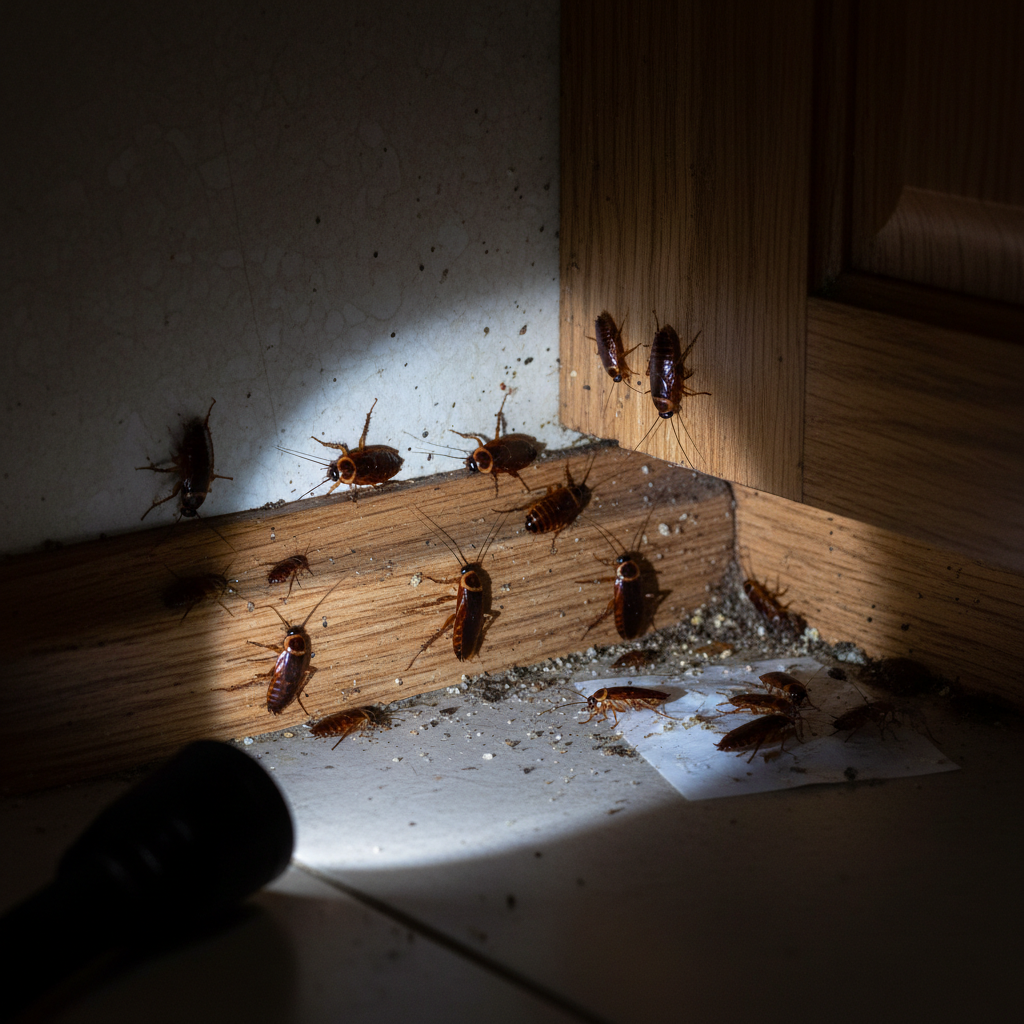
Cockroaches are nocturnal insects that shelter in tight cracks near food, water, and warmth. Different species prefer different environments. German cockroaches commonly develop indoors near kitchens and appliances, while American and Oriental cockroaches are more often linked to drains, basements, utility areas, and exterior sources.

Body shape
Flattened oval body with long antennae
High-risk areas
Warm appliances, plumbing, cabinets, drains, and clutter
Useful evidence
Droppings, egg cases, cast skins, odor, and monitor captures
Typical program
Inspection, baiting, monitoring, sanitation, and repeat evaluation

Common identification clues

  • German cockroaches are small and tan with two dark parallel stripes behind the head.
  • American cockroaches are much larger and reddish-brown and are often associated with sewers and utility spaces.
Open the full guide
Commercial Pest Management identification guide

Category 7A / Licensed Categories

Commercial Pest Management

Commercial pest management is more than treating sightings. Deliveries, waste, staff practices, tenant activity, utilities, floor drains, inventory flow, and building maintenance all shape the risk. A useful program identifies critical zones, monitors activity, documents trends, assigns corrective actions, and adjusts service as the operation changes.

Program foundation
Inspection, monitoring, sanitation, exclusion, treatment, and records
Important routes
Receiving, waste, utilities, drains, shared walls, roofs, and deliveries
Useful evidence
Sightings, device activity, droppings, damage, trend history, and staff reports
Control principle
Correct the pathway and condition, not only the visible pest

Common identification clues

  • Rodent droppings, cockroach evidence, fly breeding material, stored-product webbing, and ant trails point to different source areas.
  • Device captures should be interpreted by location and trend rather than treated as isolated numbers.
Open the full guide
Flea & Tick Control identification guide

Category 7A / 3B

Flea & Tick Control

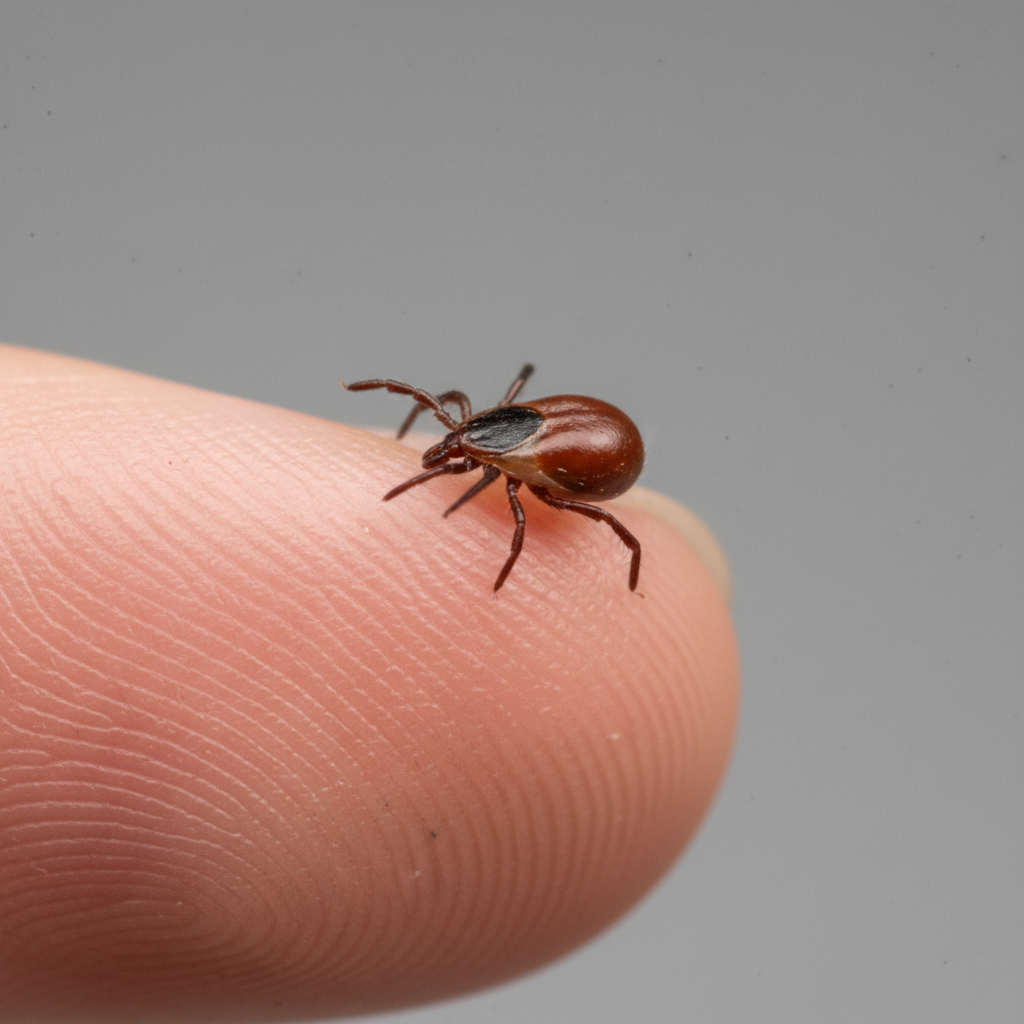
Fleas and ticks are not the same pest. Fleas develop through egg, larval, pupal, and adult stages and are strongly connected to host animals and resting areas. Ticks wait in vegetation or ground-level habitat for a host to pass. Property treatment works best when pets, wildlife pressure, vegetation, and indoor activity are considered together.

Flea development
Egg, larva, pupa, and adult
Tick pattern
Host-seeking along vegetation, leaf litter, and animal routes
High-risk zones
Shaded edges, pet areas, wildlife routes, mulch, and leaf litter
Control principle
Pet protection, habitat management, targeted treatment, and monitoring

Common identification clues

  • Adult fleas are small, dark, laterally flattened insects that jump and move quickly through hair or fabric.
  • Flea dirt resembles dark specks and may turn reddish-brown when moistened because it contains digested blood.
Open the full guide
Household Pest Control identification guide

Category 7A

Household Pest Control

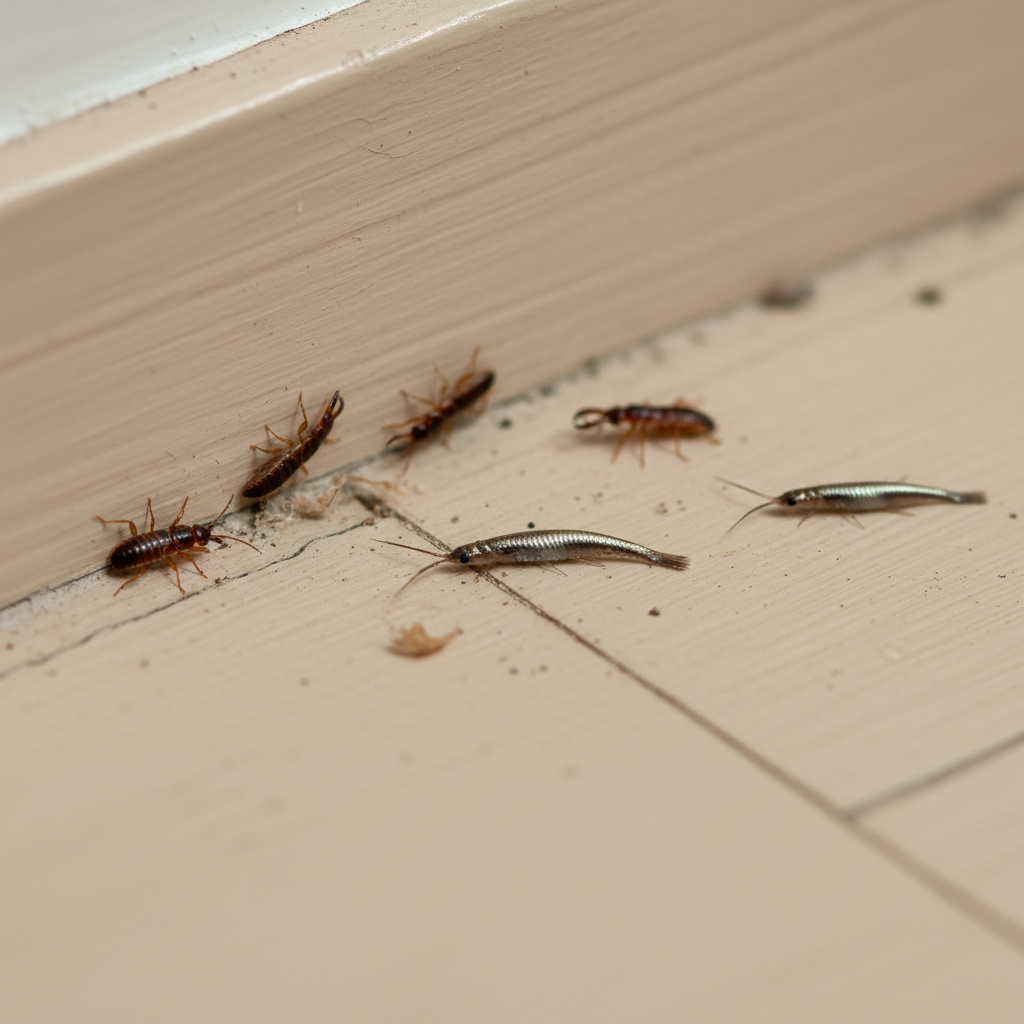
Silverfish, earwigs, centipedes, millipedes, crickets, stink bugs, and other occasional invaders do not all enter for the same reason. Some are linked to moisture, some move indoors with weather changes, and others arrive accidentally with stored items. Correct identification helps separate an indoor infestation from an outdoor pest that wandered inside.

Common pattern
Seasonal entry or moisture-related activity
Typical hiding areas
Basements, bathrooms, garages, storage, and wall gaps
Useful evidence
A specimen, clear photo, shed skin, droppings, or damage
Long-term control
Identification, moisture correction, exclusion, and targeted treatment

Common identification clues

  • Silverfish are wingless, tapered insects with three tail-like filaments and are often found in humid areas.
  • Earwigs have noticeable forceps at the rear and often shelter in damp exterior debris before wandering indoors.
Open the full guide
Lawn & Ornamental Care identification guide

Category 3A / 3B

Lawn & Ornamental Care

Brown turf, thinning grass, damaged leaves, sticky foliage, and plant decline do not automatically mean insects. Heat, drought, compaction, irrigation, nutrient imbalance, mowing injury, disease, herbicide exposure, and root problems can create similar symptoms. Treatment begins with the damage pattern, pest evidence, plant species, site history, and timing.

First question
Is the cause biotic, environmental, cultural, or mixed?
Useful evidence
Roots, insects, frass, webbing, feeding pattern, egg masses, and plant response
Timing matters
Many pests are most manageable at a particular life stage
Control principle
Identify, measure, treat the justified area, and correct cultural stress

Common identification clues

  • White-grub injury may loosen turf because larvae feed on roots, but drought and root disease can produce similar thinning.
  • Chinch-bug injury often develops in hot sunny turf, while sod webworm activity may include chewed grass and small caterpillars.
Open the full guide
Mosquito Control identification guide

Category 8B

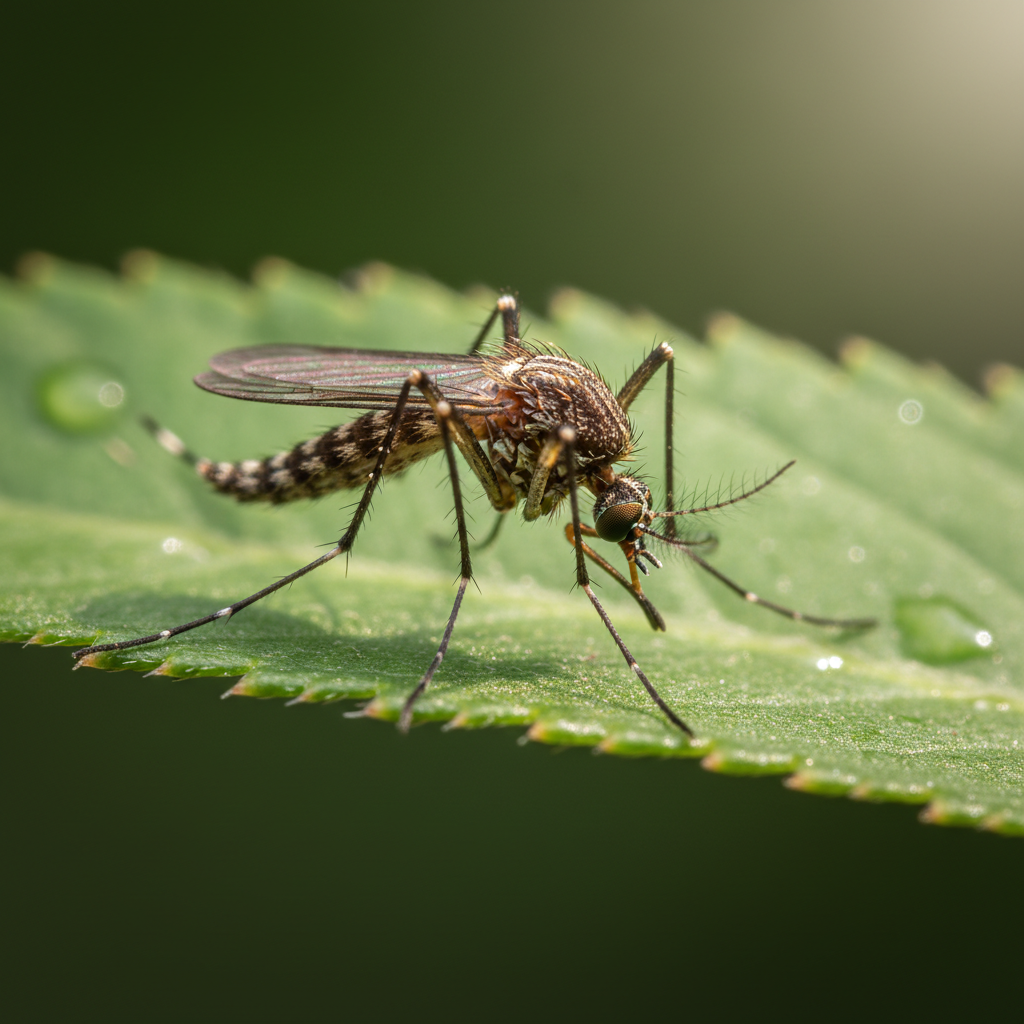
Mosquito Control

Mosquitoes develop through egg, larval, pupal, and adult stages. The immature stages require water, but the amount may be surprisingly small. Adult mosquitoes rest in shaded, humid vegetation and can also fly in from neighboring properties, wetlands, drainage areas, and stormwater systems.

Life cycle
Egg, larva, pupa, and adult
Breeding requirement
Standing or slow-moving water appropriate to the species
Adult resting areas
Shaded vegetation, under decks, fence lines, and protected edges
Management principle
Source reduction, larval management, and targeted adult control

Common identification clues

  • Adult mosquitoes are slender flies with long legs and a projecting mouthpart.
  • Larvae are often seen wriggling near the surface of stagnant water, while pupae are more comma-shaped and mobile.
Open the full guide
Rodent Control identification guide

Category 7A

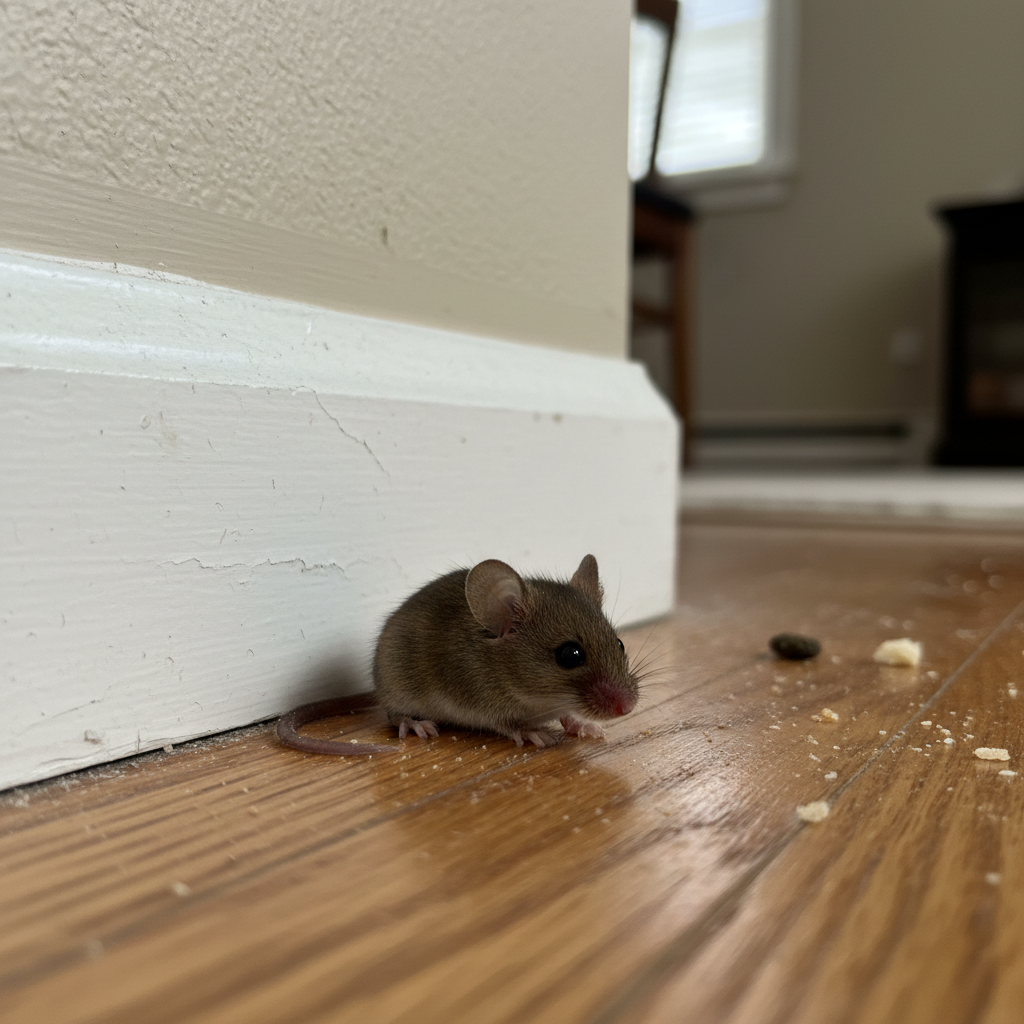
Rodent Control

Mice and rats differ in size, travel behavior, food needs, and response to new objects. A successful program identifies the animal, maps its routes, reduces competing food, uses the right devices, and corrects entry openings after the active population is addressed.

Mouse pattern
Small gaps, edge travel, frequent exploration
Rat pattern
Larger routes, burrows, cautious behavior around new objects
Useful evidence
Droppings, gnawing, rub marks, tracks, burrows, and captures
Lasting control
Population reduction plus exclusion and sanitation

Common identification clues

  • House-mouse droppings are small and pointed; mice commonly nest close to food and travel along edges.
  • Norway rats are larger, heavy-bodied rodents that frequently burrow and use lower levels, sewers, trash areas, and foundations.
Open the full guide
Spider Control identification guide

Category 7A

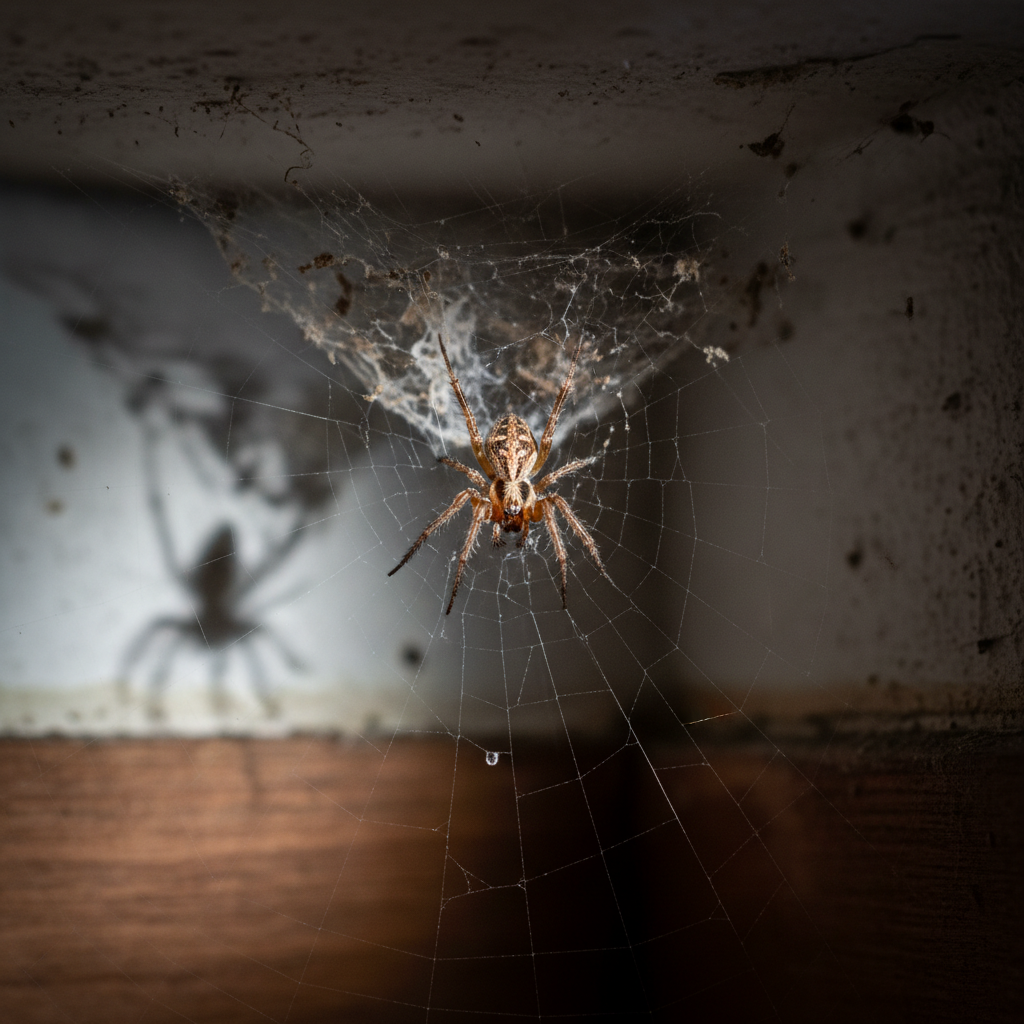
Spider Control

Spiders are predators, so recurring webs usually indicate that insects are available as food. Most spiders found around New Jersey homes are nuisance species, but identification still matters. Web type, body shape, location, and behavior help distinguish common house spiders, cellar spiders, orb weavers, wolf spiders, and other groups.

Body structure
Eight legs and two main body regions
Food source
Other insects and small arthropods
Frequent locations
Lights, eaves, basements, garages, storage, and vegetation
Control principle
Web removal, prey reduction, exclusion, and targeted treatment

Common identification clues

  • Cellar spiders have very long delicate legs and often occupy ceiling corners, basements, and garages.
  • Orb weavers produce organized circular webs outdoors and are commonly associated with vegetation and lights.
Open the full guide
Wasps & Stinging Insects identification guide

Category 7A

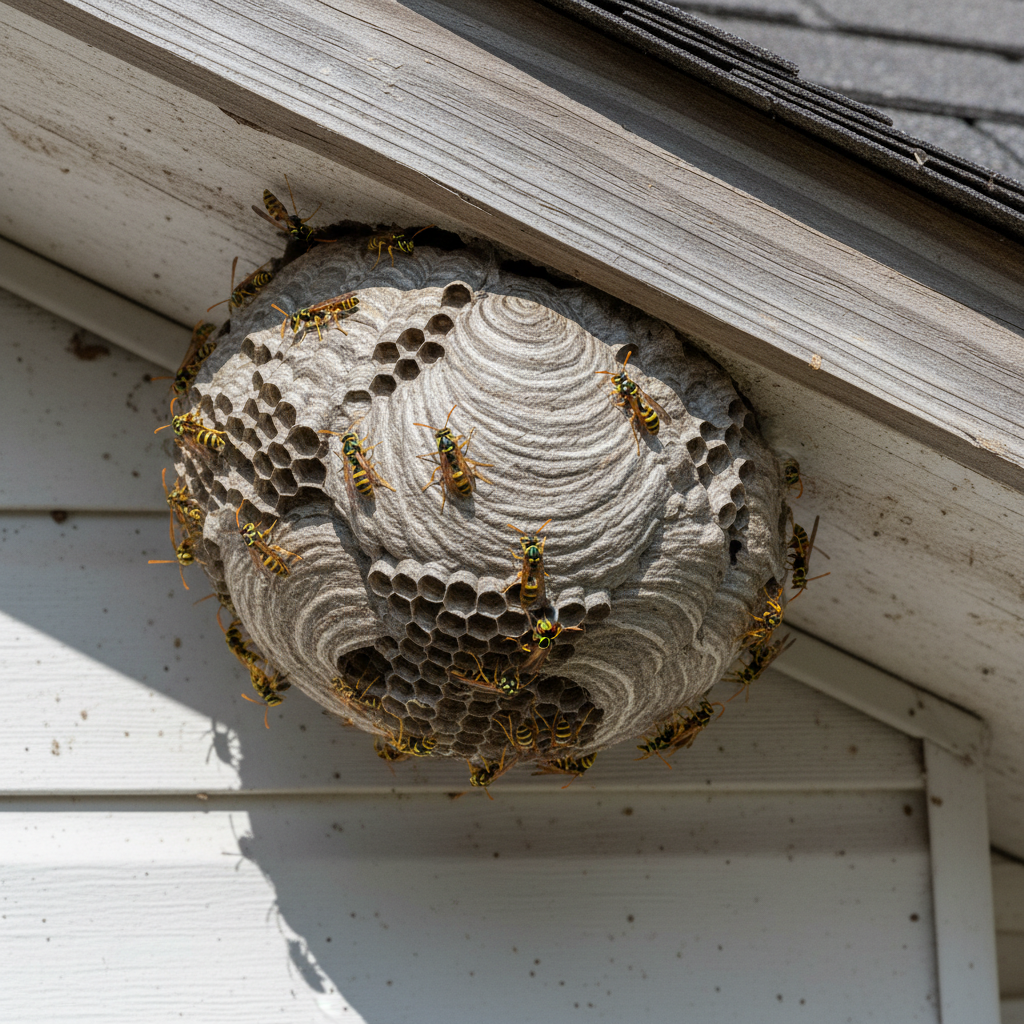
Wasps & Stinging Insects

Paper wasps, yellowjackets, hornets, honeybees, and solitary bees differ in nesting behavior and defensive response. The most useful clues are the insect's body shape, flight pattern, nest structure, and exact entry point. An exposed paper nest is different from a colony hidden in a wall, attic, tree cavity, or underground opening.

Important clue
Repeated flight to one opening or visible nest
Higher-risk locations
Doorways, play areas, decks, ground holes, and wall voids
Do not do
Do not plug an active entry before the colony is resolved
Control principle
Identify, assess access, treat the nest or entry, then seal when appropriate

Common identification clues

  • Paper wasps have slender bodies and build open comb nests under eaves, railings, and sheltered structures.
  • Yellowjackets are compact, strongly marked wasps that may nest underground or inside structural voids.
Open the full guide
Wildlife Exclusion Guidance identification guide

Category Inspection / Exclusion Scope

Wildlife Exclusion Guidance

Noises, droppings, nesting material, damaged vents, and roofline openings can indicate wildlife or rodents, but the correct response depends on the animal, season, location, and legal scope. Exclusion is most effective after the active animal issue has been lawfully resolved and all important entry routes are mapped.

Most important rule
Do not seal an opening while an animal may be trapped inside
Useful evidence
Tracks, droppings, hair, nesting, gnawing, sounds, and entry damage
Common entry zones
Soffits, vents, roof edges, chimneys, crawl spaces, decks, and foundations
Control principle
Identify, resolve occupancy, exclude, repair, sanitize, and monitor

Common identification clues

  • Timing and location of noise can help distinguish nocturnal activity from daytime animal movement.
  • Dropping size, tracks, nesting material, hair, odor, gnawing, and entry damage provide identification clues.
Open the full guide

Still not sure what the pest is?

Save a clear photo or specimen when it is safe to do so, note where activity occurs, and share those details with Fantwin during your service request.

Request an Inspection