The spotted lanternfly is one of the most destructive invasive pests to hit New Jersey in decades. Since its arrival, it has spread across the state, threatening trees, vineyards, and ornamental plants. As a NJ homeowner, understanding how to identify, report, and manage this pest is essential for protecting your property and the local ecosystem.
What Is The Spotted Lanternfly?
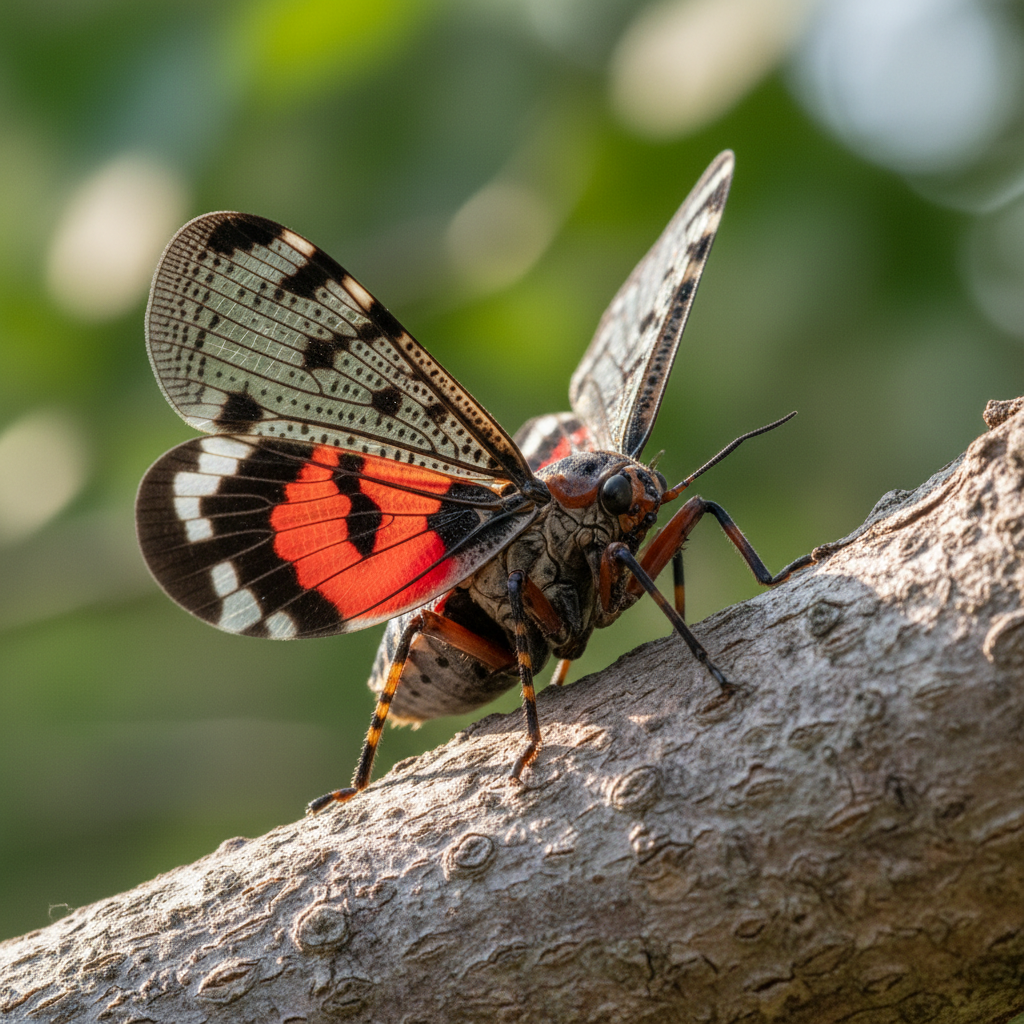
The spotted lanternfly (Lycorma delicatula) is a planthopper native to Asia. It was first detected in the United States in 2014 and has since spread throughout New Jersey and the Mid-Atlantic region. These insects feed on the sap of plants, weakening them and promoting the growth of sooty mold. They feed on over 70 plant species, including trees, vines, and ornamentals.
How To Identify Spotted Lanternflies
Spotted lanternflies go through several life stages, each with a distinct appearance:
- Egg masses (September – May): Gray, putty-like masses on tree bark, stones, outdoor furniture, and vehicles
- Nymphs (May – July): Black with white spots, about 1/4 to 1/2 inch long
- Late-stage nymphs (July – August): Red with white spots and black markings
- Adults (August – November): About 1 inch long with gray forewings and bright red hindwings with black spots
Why They're A Problem
Spotted lanternflies damage plants by feeding on sap, which weakens the plant and reduces its ability to photosynthesize. Their feeding also produces honeydew — a sticky, sugary substance that coats leaves, vehicles, and outdoor furniture. Honeydew promotes the growth of sooty mold, which further damages plants and creates a mess on your property.
The economic impact is significant. NJ vineyards and orchards have suffered major losses from lanternfly feeding. The state has established quarantine zones requiring property owners to take action to prevent the spread.
What Homeowners Should Do
If you spot lanternflies on your property, take these steps:
- Report sightings to the New Jersey Department of Agriculture
- Scrape egg masses off trees and surfaces into a bag of rubbing alcohol or hand sanitizer
- Check your vehicle before traveling — lanternflies hitchhike on cars and trucks
- Remove tree-of-heaven (Ailanthus altissima), their preferred host plant, from your property
- Apply sticky band traps to tree trunks to catch climbing nymphs (use wildlife guards to protect birds)
Professional Treatment
For properties with significant lanternfly pressure, professional treatment is the most effective solution. At Fantwin Eco Pest Control, our Category 3A certified ornamental pest program includes targeted foliar treatments and soil-applied systemic insecticides that protect your trees throughout the season. Our treatments are designed to be safe for pollinators when applied correctly.
We also provide spotted lanternfly egg mass scraping and barrier treatments during the fall and winter months. Call 908-844-8650 to schedule a property assessment and protect your trees from this destructive invasive pest.